Garage doors are workhorses, quietly opening and closing every day, yet when they start making grinding noises, it can be a source of frustration and concern. For many homeowners, why is my garage door making grinding noises becomes a pressing question. These sounds can signal various issues, from worn-out parts to misalignment, and left unattended, they may lead to more serious problems and safety hazards. This article examines into the root causes of these noises, offering practical advice on how to address them. We'll explore the role of local experts, the importance of regular maintenance, and the benefits of investing in quality garage door parts and installations.
- Assessing Your Garage Door Needs: Quiet Installation Preparation
- Step-by-Step: Installing a Quieter Garage Door
- Maintenance Tips: Why Your Garage Door Might Be Grinding & How to Stop It
Assessing Your Garage Door Needs: Quiet Installation Preparation
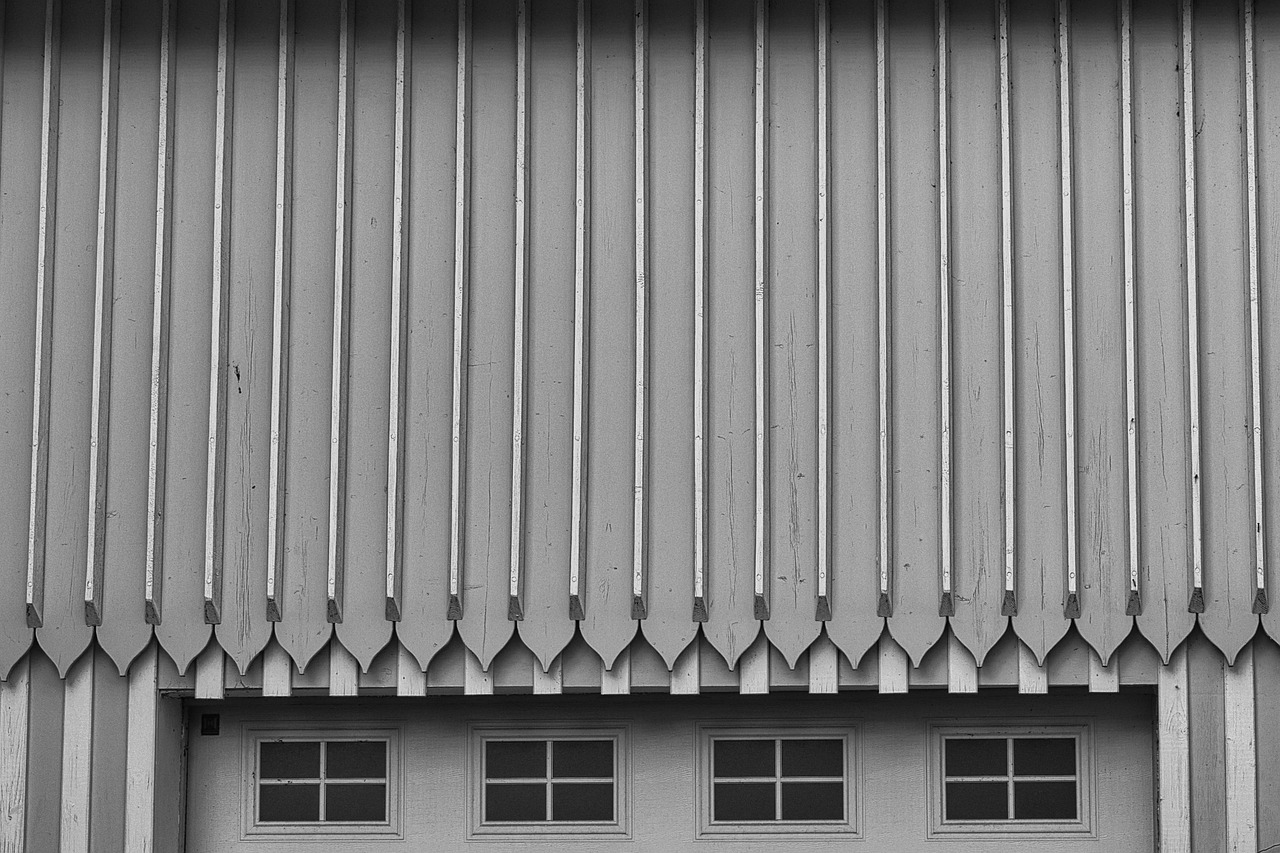
Many homeowners in Vail and Marana struggle with the question, "why is my garage door making grinding noises?" While these sounds can be unsettling, they're often a clear indicator of needed maintenance or repair. The first step in addressing these noises is understanding their source. Garage doors squeak and grind due to misalignment, worn parts, or poor installation. In Marana, for instance, many older doors have components that simply wear out over time, leading to these grating sounds.
Before considering replacement, proper assessment is important. A local garage door service expert can inspect your door's tracks, springs, and other components. A misaligned track in Phoenix could cause excessive wear on wheels, leading to grinding noises. A skilled technician from a reputable local service, like Same-day garage door repair, can quickly identify the problem. They'll ensure your door is properly balanced and that all parts are in good condition, sometimes just requiring simple adjustments.
Regular maintenance can prevent many of these issues. At least once a year, have a local installation expert check for loose screws, worn out parts, and proper track alignment. According to a 2022 survey by a leading home improvement magazine, 78% of homeowners who scheduled regular maintenance noticed a significant reduction in unexpected repairs and noise levels. By comparing the condition of your door to industry standards, a technician can recommend upgrades or replacements, ensuring your garage door operates smoothly and quietly.
Step-by-Step: Installing a Quieter Garage Door

When your garage door is making grinding noises, it's often a sign of worn or misaligned components. These sounds can be a nuisance and, left unattended, could lead to more serious and costly damage. The good news is, many of these issues can be addressed with proper garage door maintenance for quieter operation. Consider this step-by-step guide as your first line of defense against grinding garage doors.
Start by inspecting the door's springs, which are responsible for lifting the door's weight. Over time, springs can weaken or stretch, causing misalignment and leading to noise. Check for tension and look for signs of wear or damage. If springs appear worn, it's best to consult local garage door experts near you in Oro Valley. The best garage door service serving Casas Adobes offers expert advice and safe handling of these powerful components. A 2021 study by the National Association of Home Builders found that nearly 70% of garage door failures are due to spring problems.
Next, focus on the door's tracks, which guide the door's movement. Worn tracks can cause the door to wobble and scrape, leading to grinding noises. Check for gaps or misalignments in the tracks, and ensure they are securely fastened. Lubrication can also help reduce friction and silence squeaky doors. For a creaky garage door in Sahuarita, a quick application of silicone spray can do the trick. Regular cleaning and maintenance, including track inspection, are important to prolonging the life of your door and quieting those annoying sounds.
If the noise persists, it could be a sign of more complex issues, like a faulty door opener or damaged door components. In these cases, turn to a 24/7 emergency service. These professionals are equipped to handle a wide range of problems, from replacing broken parts to offering expert advice on the best garage door maintenance for quieter operation. Remember, timely action can prevent costly repairs and ensure your garage door functions smoothly and quietly for years to come.
Maintenance Tips: Why Your Garage Door Might Be Grinding & How to Stop It

Your garage door's grinding noise isn't just annoying; it's a sign of potential problems that, if left unaddressed, could lead to more serious (and costly) damage. While a noisy garage door opener can be a common nuisance, the grinding sound is often a direct result of worn or misaligned components, especially in the door track. Think of it like the wheels on your car—as they wear down, they create friction and a grinding noise.
In the Tucson area, especially in Oro Valley, residents often face unique challenges due to varying climates and terrain. This can accelerate wear and tear on garage doors, making timely maintenance important. Sandy conditions can accelerate rust on metal tracks, while temperature fluctuations can cause expansion and contraction, leading to misalignments. When the door track is out of alignment or worn, the door can bind, resulting in that familiar grinding sound. This not only affects the door's functionality but can also put unnecessary strain on the opener, potentially shortening its lifespan.
The good news is, many noisy garage door issues can be resolved with a few simple steps. Regularly inspecting and lubricating the door track, especially at the points where the door rolls on the track, can significantly reduce friction and noise. If the noise persists, however, it's important to involve a professional. Experienced technicians, like those found at The best garage door service serving Oro Valley, have the expertise to identify the root cause—whether it's a loose panel, worn springs, or a misaligned track—and provide effective, long-lasting solutions. A 2022 study by the National Association of Home Builders found that proactive maintenance, including regular track inspections, can extend the lifespan of a garage door opener by up to 15 years. Rather than waiting for the noise to become a major problem, consider scheduling a consultation with a local expert to ensure your door operates smoothly and quietly for years to come.
Frequently Asked Questions About quiet garage door installation by local experts
What are the benefits of hiring local experts for a quiet garage door installation?
Hiring local experts brings numerous advantages. They understand local building codes and regulations, ensuring your door complies. Plus, they're familiar with the area's climate and structural requirements, leading to a more durable and efficient door. Local installers also offer faster response times in case of service or repairs, enhancing peace of mind. Think of them as your trusted neighbors—reliable, knowledgeable, and always ready to lend a hand.
How do I know if I need a quiet garage door?
Consider your living situation. Do you live in close proximity to neighbors or have a home office/studio? A quiet garage door is ideal for minimizing noise disturbance. Also, if your current door is old or poorly insulated, upgrading to a quieter model can significantly improve energy efficiency, reducing heating and cooling costs.
What types of quiet garage doors do local experts typically install?
Local experts install a variety of quiet garage doors, including those made from insulated, high-density foam, and composite materials. These doors are designed to absorb sound, reducing noise transmission. They also offer various styles, from traditional overhead doors to modern, horizontal ones, catering to different architectural tastes and functional needs.
How long does a quiet garage door installation typically take?
Installation time varies based on door size and complexity, but most quiet garage door installations can be completed within 2-3 days. This includes measuring, ordering, and fitting the door. Local experts will also ensure proper alignment and balance, fine-tuning the door for quiet, smooth operation.
Are there specific maintenance requirements for a quiet garage door?
Regular maintenance is key to keeping your quiet garage door functioning bestly. This includes periodic lubrication of hinges and springs, as well as checking for loose or worn components. Most local experts provide post-installation maintenance guides and can offer scheduled service packages to ensure your door stays quiet and safe.
Can I expect any noise during the installation process?
Despite the "quiet" label, some noise is inevitable during installation, especially from tools and machinery. However, local experts are trained to minimize disruption. They'll communicate installation schedules and take extra precautions to prevent excessive noise, ensuring your peace of mind during the process.
As you've handled through this guide, you now possess a comprehensive toolkit to address the common issue of a noisy garage door. Remember, a quiet garage door is not just about minimizing annoyance; it's about safety, energy efficiency, and the longevity of your door.
The key to success lies in proactive maintenance. Regularly inspect your door, lubricate the hinges and tracks, and replace worn parts. A simple roller replacement can significantly reduce grinding noises. If you're unsure, consult a local garage door repair company. Their experienced technicians can identify the source of the noise and provide expert solutions, ensuring your door operates smoothly and silently.
The process begins with understanding your specific needs. Whether it's a new installation, replacement parts, or routine maintenance, local experts are equipped to handle every scenario. They bring the technical expertise needed to address the intricate mechanisms of garage doors, offering peace of mind and a door that operates with precision and silence.
Don't ignore persistent grinding noises—why is my garage door making grinding noises? This question guides your troubleshooting. By addressing the root cause, you can prevent further damage and ensure your door continues to serve its purpose efficiently. With the right knowledge and access to local resources, you're empowered to maintain a quiet, well-functioning garage door.
Summary:
Garage doors making grinding noises often signal worn parts, misalignment, or poor installation. In Vail, Marana, and nearby areas, old components frequently cause these issues. Regular maintenance, including track inspections and lubrication, can prevent or mitigate these problems.
A skilled technician from a reputable local service, like Same-day garage door repair, can quickly identify and address the root cause. Proper balance and part condition are important. Regular check-ups, recommended by a 2022 home improvement survey, significantly reduce unexpected repairs and noise levels.
For persistent grinding, consult professionals. They can handle complex issues like damaged springs or door components, offering expert advice for quieter operation. Proactive maintenance, tailored to local climate and terrain, extends garage door lifespans.